Products in Development
Innovative nanoparticle projects shaping medicine.


“UNIVERSAL” FLU VACCINE
Our Universal Flu Vaccine is based on VLPs assembled with Remodeled HA proteins that display highly conserved subdominant epitopes, capable of eliciting Broadly Neutralizing Antibody responses in Humans.
ADVANTAGES/RESULTS
Cross-protection against multiple influenza strains.
Reduced frequency of immunization (longer protection).
Improved production Planning (manufacturing, storage, and distribution).
Preliminary preclinical studies show that some of our VLP constructs induced antibodies in animal models that neutralized homologous and heterologous viral strains.
RSV AND METAPNEUMOVIRUS VACCINE
Respiratory Syncytial Virus (RSV) and human metapneumovirus are leading causes of lower respiratory tract infections (LRTIs) in infants, children, and older adults worldwide. RSV alone affects an estimated 64 million people annually and is responsible for approximately 160,000 deaths each year. In the United States, RSV accounts for nearly 100,000 hospitalizations among infants and 175,000 among older adults annually, resulting in approximately 14,000 deaths in the elderly population.
Our technology enables the development of a safe and highly effective bivalent vaccine targeting both RSV and human metapneumovirus, addressing a critical unmet global health need.


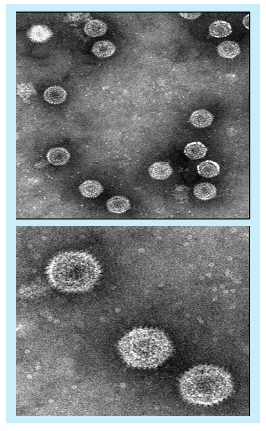
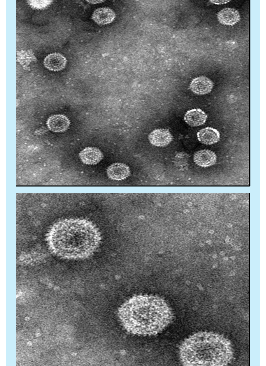
ADENOVIRUS BASED NANOPARTICLE TECHNOLOGIES FOR PRECISION TARGETED DELIVERY
A biological nanoparticle platforms uniquely suited for precision targeting of specific tissues, cell populations, and intracellular compartments, enabling the controlled delivery of diverse molecular cargos. These systems can encapsulate or display a wide range of therapeutic and bioactive agents, including nucleic acids, glycans, enzymes, proteins, and small-molecule drugs. Their tunable physicochemical properties—such as size, surface chemistry, and ligand functionalization—allow for selective recognition and uptake by target cells while minimizing off-target effects.
Nanoparticle technologies offer exceptional flexibility across multiple biomedical applications, particularly in immune modulation. They are increasingly leveraged in immunotherapies and cancer vaccine development, where precise antigen presentation and immune cell targeting are critical for therapeutic efficacy. In addition, these platforms enable targeted delivery of genetic payloads for gene editing and gene therapy, supporting approaches such as CRISPR-based genome engineering and RNA-based therapeutics. By facilitating efficient, cell-specific delivery and protecting sensitive cargos from degradation, nanoparticle systems represent a powerful and versatile strategy for next-generation precision medicine.
FLAVIVIRUS VACCINE TECHNOLOGY: DENGUE AND ZIKA
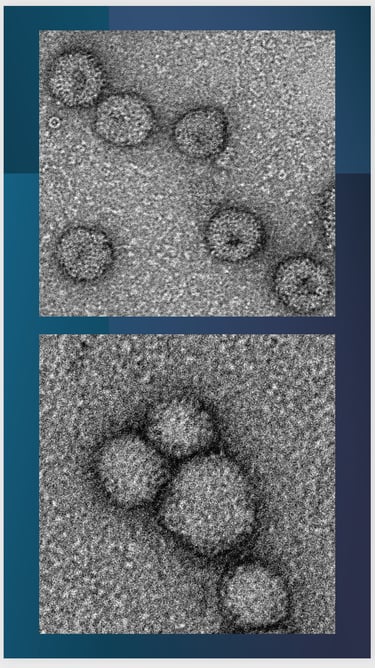
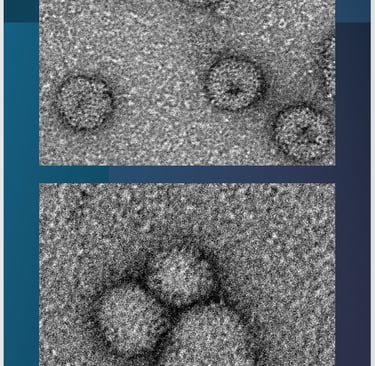
We have developed a novel vaccine platform based on the production of virus-like particles (VLPs) from multiple members of the Flaviviridae family, including dengue and Zika viruses. This system enables precise antigen engineering and structural modification, thereby supporting rational vaccine design to improve both immunogenicity and safety profiles.
Using this platform, dengue and Zika VLP vaccines were generated and demonstrated the ability to induce high titers of virus-neutralizing antibodies.
ADVANTAGES
The vaccines are manufactured using scalable suspension cultures of mammalian cells, enabling robust, reproducible production compatible with industrial-scale processes.
Virus-like particles are efficiently secreted and purified directly from the culture supernatant, simplifying downstream processing and reducing overall manufacturing complexity.
Because VLPs are noninfectious and lack viral genetic material, this vaccine platform provides a safe and efficient approach to immunization against dengue and Zika.
Moreover, the system's flexibility enables rapid adaptation to additional flaviviruses, positioning it as a versatile platform for developing next-generation vaccines against emerging and re-emerging flaviviral threats.